
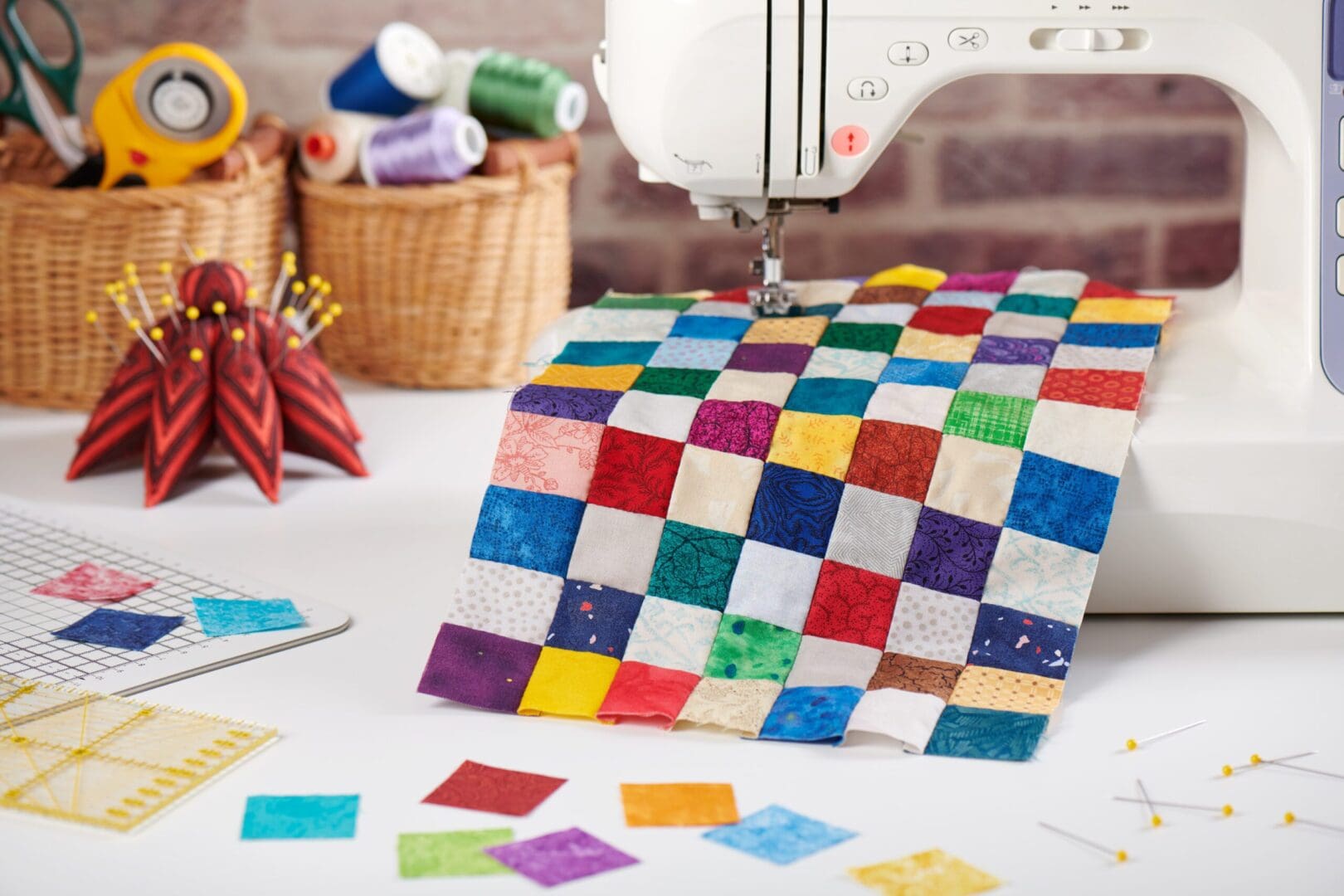
Quilting Tips and Ideas to Elevate Your Craft
Quilting is a timeless art that combines creativity, precision, and a love for fabric. Whether you’re a beginner or an experienced quilter, there’s always something new to learn and explore. In this blog, we’ll share some helpful quilting tips and ideas to elevate your quilting projects, helping you create beautiful, lasting pieces.
1. Start With the Right Tools
The foundation of a successful quilt lies in the tools you use. Quality tools can make a big difference in your experience and the final result of your quilt. Here’s a list of essential tools every quilter should have:
- Rotary Cutter & Mat: A rotary cutter allows you to make clean, precise cuts, while a self-healing mat protects your surfaces and helps maintain sharp blades.
- Quilting Rulers: A quilting ruler ensures straight, accurate lines for cutting fabric pieces.
- Needles: Always use quilting needles to prevent fabric damage and ensure smooth stitching.
- Seam Ripper: Even the best quilters make mistakes—this tool is invaluable for correcting them.
Investing in good tools from the start will save you time and frustration and improve your overall quilting experience.
2. Choose the Right Fabric
When choosing fabrics for your quilt, it’s essential to consider both the aesthetic and the practical side. Fabric quality impacts the quilt’s durability and the ease with which you can work with it. Here are some fabric tips:
- Cotton is Best for Beginners: Cotton fabrics are easy to work with and come in a variety of prints and colors. They are perfect for quilting because they are breathable, durable, and easy to sew.
- Pre-Cut Fabrics: If you’re short on time or want to simplify your cutting process, pre-cut fabric bundles (like charm packs, jelly rolls, or layer cakes) can be a great option.
- Fabric Weight: Heavier fabrics, like flannel or denim, create a cozy quilt but may be harder to work with. Lighter fabrics, like quilting cottons, are easier to sew and quilt with.
By selecting the right fabrics, you’ll not only make your quilt more durable but also ensure it’s visually appealing.
3. Perfect Your Seam Allowance
One of the most common mistakes beginners make is inconsistent seam allowances. The seam allowance—the space between the edge of the fabric and the stitching line—affects the accuracy of your quilt pieces. If your seam allowance is off, your quilt may not line up properly.
To ensure a perfect seam allowance:
- Use a quarter-inch foot for your sewing machine, which is designed specifically for quilting.
- Mark your seam lines on your fabric if needed.
- Practice on scrap fabric to get a feel for the right seam width.
Keeping your seam allowances consistent is a small but crucial step toward perfect quilting.
4. Press Your Seams, Don’t Iron Them
Pressing your seams is an essential step that helps maintain the structure and accuracy of your quilt. Unlike ironing, which moves the fabric and can distort the fibers, pressing involves lifting the iron up and down onto the fabric to set the seams without shifting the pieces.
Here’s how to press effectively:
- Press Seams as You Go: After each section, press your seams before moving on to the next. This will help avoid any distortion or puckering.
- Press Seams to One Side or Open: For some quilt patterns, pressing seams to one side (usually the darker fabric) helps keep everything neat. For others, pressing seams open may work better for flatness.
By carefully pressing your seams, you’ll get cleaner edges and smoother, more precise quilt blocks.
5. Try Quilt-as-You-Go (QAYG)
If you’re looking for a faster way to make a quilt, or if you’re intimidated by quilting the entire quilt top at once, the Quilt-as-You-Go (QAYG) technique could be your solution. This method allows you to quilt each block individually and then join them together, making it a more manageable approach for beginners or those with limited quilting space.
To use this method:
- Quilt each block or section separately, including batting and backing.
- Once all sections are quilted, sew them together using a joining technique, such as whip stitching or a sashing strip.
This technique also works well for smaller quilts, like baby quilts or table runners.
6. Explore Creative Quilt Designs
If you’ve mastered basic quilting techniques, it’s time to have fun with more advanced designs! Quilting offers endless opportunities for creativity. Here are some ideas to inspire you:
- Paper Piecing: This technique involves sewing fabric onto a paper template to create intricate designs. It’s perfect for creating detailed patterns like stars, flowers, or geometric shapes.
- Appliqué: Appliqué is a technique where fabric shapes are sewn onto a background fabric, either by hand or machine. This is an excellent way to add decorative details to your quilt, such as flowers, animals, or personalized designs.
- Free-Motion Quilting: Once you’ve got the basics down, free-motion quilting lets you move your quilt freely under the needle to create unique, flowing designs.
No matter your quilting style, these techniques will allow you to add a personal, creative touch to your projects.
7. Add Personalization with Embroidery
Embroidering a quilt can turn an ordinary project into a one-of-a-kind masterpiece. Consider adding names, dates, or special messages to your quilts for a personalized touch. You can use hand embroidery for a traditional feel or machine embroidery for a more polished look.
Personalization makes a quilt more meaningful, especially for gifts like baby quilts, wedding quilts, or memory quilts. It’s a great way to add sentimental value and make your quilt even more special.
8. Don’t Forget the Quilting Backing and Batting
The backing and batting are essential elements that contribute to the overall feel and durability of your quilt. When choosing batting, consider the desired warmth and texture of your quilt:
- Cotton Batting: Soft and breathable, perfect for all-season use.
- Polyester Batting: Durable and slightly puffier, ideal for a fluffy look.
- Wool Batting: Lightweight and warm, great for cold weather.
Your quilt’s backing should complement the front design, whether it’s a solid color or a fun print. Make sure to choose a backing that is wide enough to cover the entire quilt, leaving extra fabric for trimming.
Final Thoughts
Quilting is both an art and a craft, and with the right tips and ideas, you can create beautiful, meaningful quilts that last a lifetime. Whether you’re just starting or looking to improve your skills, these tips will guide you toward making your next quilt project a success. From choosing the right fabrics to perfecting your technique, the possibilities are endless. So grab your sewing machine, start stitching, and let your creativity shine! If you need professional help, allow us to serve you.